
With the office no longer defined by four walls, startups are embracing remote‑first models right from the start. For founders, students and entrepreneurial teams within the ASU ecosystem, this shift is not just about working from home. Remote-first models help you design your business around flexibility, distributed teams and global talent. With that freedom comes both exciting opportunities and significant challenges. Here’s what to understand, and how to act.
Why Remote-First Makes Sense for Startups
|
As Chris Savage, CEO and cofounder of Wistia, observed, “The narrative that collaboration can only be done well when in person is outdated. We are a remote-first organization—a decision we made confidently.” |
1. Access to a broader talent pool
When your team is not constrained by geography, you can recruit the best fit wherever they live including ASU’s expansive global network of alumni talent! Remote-first structures also enable tapping into talent from underrepresented regions, lowering barriers to entry and widening the diversity of skills.
2. Cost efficiencies and scalability
Without the burden of physical office rent, utilities and commuting subsidies, early-stage startups can redirect funds into product development, marketing or talent. Scalability becomes simpler: hiring remotely rather than expanding a local office can make infrastructure growth more flexible and cost-effective.
3. Flexibility and employee satisfaction
Remote work often means more flexibility around when and how work gets done, which helps attract entrepreneurial talent that values autonomy. For startups in ASU’s ecosystem, this flexibility can be a differentiator when recruiting students or nontraditional talent with blended schedules, like those balancing caregiving responsibilities.
The Challenges of Building a Remote-First Startup
1. Communication and coordination
When your team is distributed, informal interactions—coffee break chats and spontaneous hallway discussions—disappear. Coordination can suffer when trust, shared context or communication norms are weak.
2. Building and maintaining a strong culture
A strong culture does not happen automatically, and it’s even more difficult to create in a remote setting. Startups need to invest in rituals, shared values, onboarding experiences and opportunities for connection. Otherwise, team cohesion and loyalty can degrade.
3. Onboarding, development, and visibility
New hires or early-stage team members may struggle more when they lack physical proximity to experienced colleagues. Remote work can reduce opportunities for mentorship, informal learning and spontaneous feedback.
4. Legal, compliance and operational complexity
Hiring remotely does not just mean, “let people work from home.” It often means dealing with payroll, taxes, labor laws across jurisdictions, data security and time-zone coordination. Ignoring those operational details early can lead to costly surprises later.
Collaborative Innovation Spaces: Bridging Remote Freedom with Ecosystem Connectivity
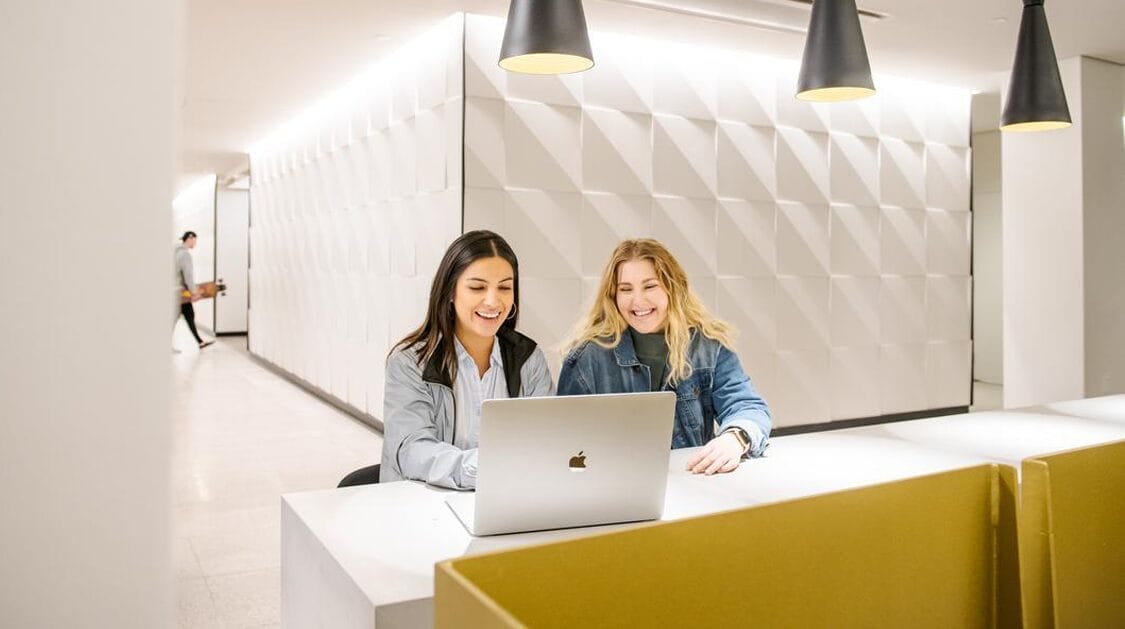
For a remote-first startup, the freedom to work from anywhere is a major advantage, but it can also mean reduced physical connection to the entrepreneurial ecosystem. This is where place-based innovation spaces, such as the network run by Edson E+I, become a strategic asset. These are flexible hubs designed to support ideation, prototyping, networking and community for entrepreneurs. Edson E+I’s offerings include:
- E+I @ 850 PBC in downtown Phoenix is the heart of the Phoenix Bioscience Core, which also houses the Health Entrepreneurship Accelerator Lab (HEALab), ASU’s accelerator focused solely on health and health care solutions. It also hosts programming for a wide variety of industries, including Venture Start, an incubator in collaboration with the Arizona Commerce Authority.
- E+I @ 1951 @ SkySong in Scottsdale is the hub for collaboration and innovation within the ASU ecosystem and hosts signature programming from Edson E+I, like Demo Day, the large-scale student pitch competition each semester.
- E+I @ ASU Chandler Innovation Center in Chandler is the hub for prototyping, with an expansive makerspace. The Innovation Center houses Edson E+I’s Chandler Endeavor incubator, focused on advancing the development of early-stage and growth-stage ventures.
- E+I the Studios @ Mesa City Center in Mesa is located next to ASU’s Media and Immersive eXpereince (MIX) Center and provides a central Mesa location for industry leaders, entrepreneurs, students and community members to network, collaborate and share their ideas.
Key benefits for remote-first ventures include:
- Hybrid support: Even if your team is distributed, you can occasionally meet in person for sprints, workshops or prototyping sessions. This retains the flexibility of remote work while gaining the energy of face-to-face collaboration.
- Ecosystem connectivity: Working remotely can reduce serendipitous interactions. Using a physical innovation space places you among mentors, peer founders and programs, providing proximity to the broader startup ecosystem.
- Access to specialized tools: Some spaces, such as makerspaces, include prototyping tools, equipment and event setups that a fully remote team might not otherwise have access to.
- Culture building and belonging: Even remote-first teams benefit from rituals and anchors. Periodic in-person gatherings, coworking days or member events at these spaces can reinforce culture and offset isolation.
- Workspace flexibility: Not all entrepreneurs or team members have ideal home offices due to roommates, children or distractions. Innovation hubs offer a professional, flexible workspace when needed.
Strategies to Make It Work
Here is a playbook for founders at ASU, or elsewhere, who are aiming to build a remote-first startup effectively.
Be outcome-oriented, not time-oriented
- Define clear goals, metrics and deliverables. Shift the focus from “Are you at your desk?” to “Are you moving the needle?”
Design the remote culture intentionally
- Create a remote playbook covering communication norms, such as response times, asynchronous tools and what requires video versus chat.
- Establish rituals like weekly all-hands, virtual coffee chats or annual retreats.
- Hire for remote-friendly traits such as self-motivation, comfort with written communication and the ability to thrive amid ambiguity.
Choose tools and structure for distributed workflows
- Use project management and collaboration tools such as Asana, Trello, Notion or Slack.
- Develop strong documentation so that new and existing team members share a common source of truth.
- Manage time zones deliberately by defining core hours, overlapping work windows and asynchronous communication protocols.
Build onboarding and mentorship systems
- Pair new members with remote “buddies” or mentors.
- Schedule regular check-ins focused on career development, not just task progress.
- Host virtual “office hours” or informal hangouts to replicate spontaneous interactions.
Address operational and compliance issues early
- Understand labor laws, tax registration, benefits and contractor versus employee classifications.
- Establish data security protocols, including secure connections, device standards and guidelines for home-office setups.
- Monitor overhead savings and reinvest some of those savings into culture and connectivity so that “remote” does not become synonymous with “disconnected.”
Measure and iterate
- Track indicators beyond productivity, such as engagement, attrition, onboarding success and collaboration patterns.
- Adapt your model—whether fully remote, hybrid, or hub-and-spoke—as you scale.
- Collect feedback frequently from your team about what is and is not working.
Remote‑first can be your launchpad for growth
Building a startup is challenging enough, and choosing to go remote-first adds another layer of design to operations, culture and growth. But for early-stage ventures with limited capital, talent ambitions beyond local boundaries and a desire for agility, going remote‑first can be a smart way to stay agile.
The question is not if remote-first can work, but how you design it intentionally. With clear goals, strong documentation, an inclusive culture, thoughtful tools, ongoing iteration and the smart use of innovation spaces, your remote-first startup can be more than just distributed. It can be high-performing and built for the future.
If you are part of ASU’s entrepreneurship community and thinking of launching a remote-first business, start by answering these questions:
- What outcomes matter most for our product, talent and culture?
- What communication norms will we adopt?
- How will we onboard, develop and connect our team?
- What infrastructure and compliance systems must we establish now to avoid surprises later?
- Which innovation space will we use as our local anchor?
If you’d like to dive deeper into the many considerations of building your startup, whether that’s embracing a remote‑first approach or shaping it in the way you envision, check out our resources page to find a variety of free tips and tools to help guide you along the way.


