
If you’ve ever watched a 9-year-old navigate a new gaming system with ease, mastering shortcuts and settings in minutes, you already know something about Generation Alpha. Born in 2010 and after, they are the first generation to grow up entirely in the age of smartphones, apps and “always-on” connectivity. But this isn’t just about kids and their devices, it’s about what their innate tech fluency can mean for the future of entrepreneurship, and how we, as educators, families and communities, can help them use it to solve real problems
Tech Fluency as Mindset, Not Just Medium
It’s easy to reduce “tech savvy” to quick thumbs on a touchscreen or endless scrolling. But for Gen Alpha, technology isn’t a novelty. It’s the air they breathe. That means they often approach tools not with hesitation, but with curiosity and adaptability. They experiment. They explore. They learn by doing.
Take, for example, a fifth grader from Arizona who used Scratch (a kid-friendly coding platform) to design a digital game that taught younger students about recycling. To him, it wasn’t a project. It was simply a fun way to solve a problem he noticed at school. That instinct—to see a challenge, use tools at hand and build something new—is exactly what entrepreneurship is all about.
What sets this generation apart is not just their comfort with devices, but the mindset they develop by using them. A mindset is more than a skill. It is a way of thinking that shapes how a person approaches challenges. For Gen Alpha, this often includes:
- Curiosity: a natural drive to explore new tools, apps or platforms without waiting for instructions.
- Resilience: the willingness to fail, restart and try again, whether they are debugging a simple code or reconfiguring a digital world.
- Creativity: the instinct to tinker and remix, turning what already exists into something personal and new.
- Problem Orientation: the tendency to see challenges as puzzles to be solved rather than obstacles to avoid.
These mindsets are the foundation of entrepreneurship. They mirror the process of innovation, which requires testing ideas, revising when something doesn’t work and persevering until a solution emerges. Gen Alpha may not call it design thinking yet, but they are already practicing it every time they build a world in Minecraft, write lines of code in Scratch or brainstorm ways to make school or community life better.

Tech as a Bridge, Not a Barrier
Gen Alpha’s tech fluency isn’t about leaving other generations behind. In fact, it opens the door to cross-generational collaboration. Adults bring context, wisdom and experience. Gen Alpha brings fresh eyes, curiosity and fluency in digital tools. Together, those perspectives can fuel innovation in ways that neither could achieve alone.
Take the example of Gwen, a fifth grader from Carden of Tucson. Gwen won second place in her grade level and first place in the Environment and Sustainability category at the Invention Convention U.S. Nationals 2025 for her invention, the Incredapack. Her design replaces traditional plastic six-pack rings with biodegradable materials sourced from the ocean, reducing pollution and protecting marine life. Her success at The Henry Ford in Michigan was not just about a clever invention. It was also about the support system that surrounded her: teachers who encouraged her to refine her idea, family who cheered her on and mentors who helped her prepare for the competition.
Gwen’s story shows how technology and innovation can act as a bridge between generations. The invention process drew on her creativity and digital problem-solving instincts, but it also required the experience, encouragement and perspective of adults around her. The result is a tangible solution to an environmental challenge, powered by a young mind working in partnership with her community.
Technology, in this way, becomes the common ground where generations meet. It is a tool that brings us together around solving meaningful problems.

From Tech Users to Tech Creators
One of the most powerful shifts we can support is moving Gen Alpha from being consumers of technology to being creators with technology. It is the difference between playing a game and designing one, scrolling a feed and launching a campaign and using an app and building an entirely new tool to solve a problem.
The instinct to create is already there. Many Gen Alpha students experiment with platforms like Minecraft, Microsoft Makecode or Scratch, not just to play, but to design their own worlds and systems. What might seem like “play” on the surface is, in reality, practice in design thinking, coding and digital problem-solving. With the right guidance, these moments of creativity can be nurtured into entrepreneurial skills that address real-world challenges.
At Invention Convention Arizona (ICW AZ), we see this shift in action every year. One high school student designed a smart cane for visually impaired users, embedding inexpensive sensors to detect nearby obstacles and make mobility safer. Another student created a phone app that helps families track water usage at home, nudging them toward conservation and sustainability. These are thoughtful responses to problems the students cared about deeply, built with the tools they already knew how to use.
The leap from user to creator transforms how young people see themselves. They stop thinking of technology as something made for them, and instead begin to imagine how they can use it to make something for others. That mindset shift builds confidence, sparks empathy and gives them a sense of agency in the world.
Each invention is a reminder: when young people are empowered to create with technology, they stop seeing themselves as just users. They begin to recognize themselves as builders, problem-solvers and changemakers, capable of shaping the future rather than waiting for it.
Building Ecosystems That Nurture Gen Alpha
The entrepreneurial mindset doesn’t develop in isolation. It needs ecosystems that give young people both freedom to experiment and support to thrive.
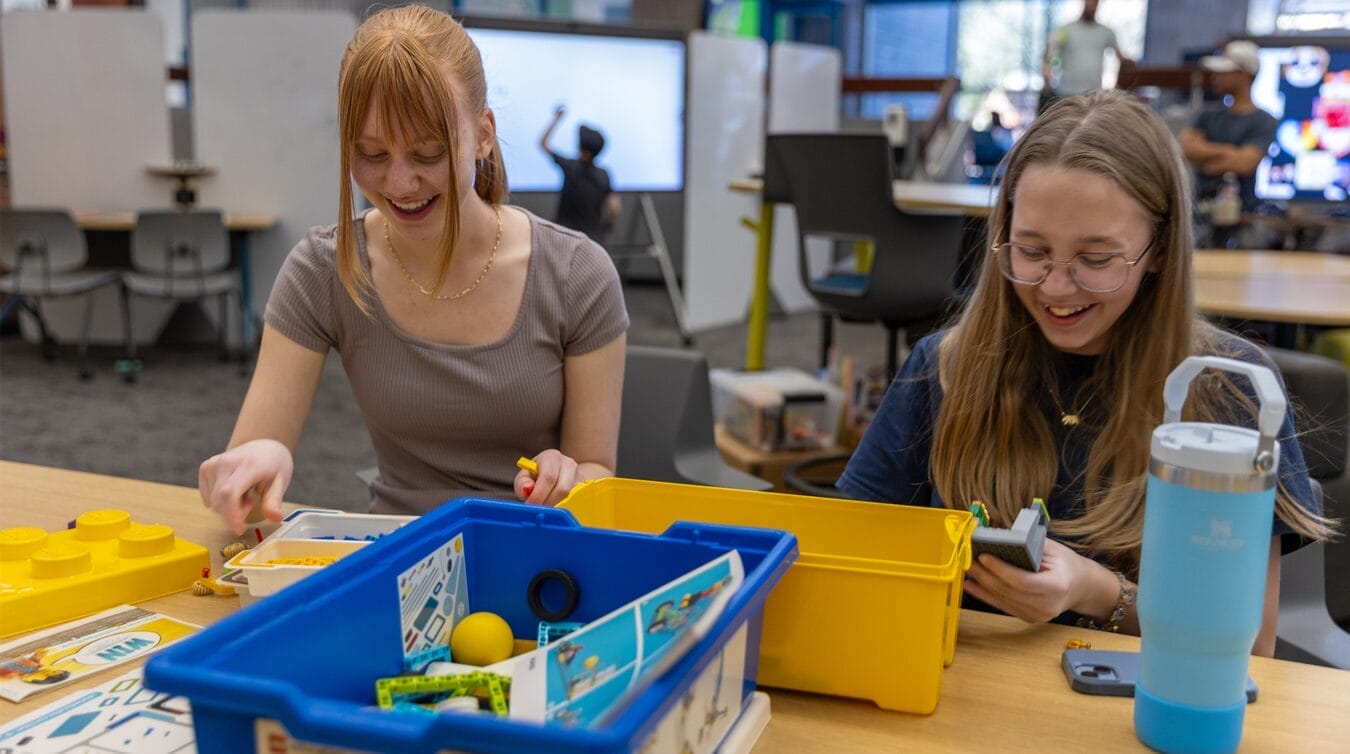
That’s where programs like the AYA Innovation Hub and AYA Spring Innovation Camp come in. At AYA, students step into spaces designed for hands-on learning, where they can tinker, prototype and pitch their ideas in a safe, supportive environment. Last spring, campers collaborated to design eco-friendly product concepts, guided by local mentors who volunteered their time. The experience wasn’t just about ideating gadgets. It was about learning how to work as a team, test assumptions and bring ideas to life.
But nurturing an entrepreneurial mindset does not always require a special program. It often begins at home or in the classroom with something as simple as reframing how we see children’s interests. Parents may sometimes worry about the hours their kids spend playing video games like RuneScape or Minecraft, but what if we saw those hours as training in persistence, strategic thinking, collaboration and digital fluency? A student who has spent hundreds of hours navigating complex game worlds is also practicing skills that can transfer to entrepreneurship: systems thinking, resource management, resilience after failure and problem-solving in dynamic environments.
Recognizing and encouraging these hidden skills is key. Even when adults do not fully understand or value the platforms young people are engaging with, it is important to acknowledge that these experiences are building durable skills that matter in the future of work and innovation. When paired with mentorship, encouragement and opportunities to apply them to real-world challenges, these skills become the seeds of entrepreneurial confidence.
These kinds of experiences matter. They show students that entrepreneurship isn’t confined to adults in boardrooms. It’s something they can practice now, in classrooms, community centers and even at home. They also remind educators and parents that nurturing innovation isn’t about handing kids the answers. It’s about giving them room to explore, fail and try again.
And just as importantly, programs like ICW AZ and AYA invite families, educators and community members to join in. Entrepreneurship thrives in ecosystems, and when mentors of all ages engage with Gen Alpha’s tech-powered ideas, we cultivate innovators prepared not only for tomorrow’s economy but also for tomorrow’s community leadership.
What We Can All Do
So how do we leverage Gen Alpha’s tech savvy in entrepreneurial concepts? Whether you’re a teacher, parent, entrepreneur or community leader, here are a few starting points:
- Encourage Curiosity, Not Just Consumption. Ask kids not only what they’re playing or watching, but also how they might improve it. Curiosity fuels entrepreneurship.
- Bridge Generations Through Mentorship. Pair young tech thinkers with adults who bring life experience and practical wisdom. Both sides learn, and innovation deepens.
- Connect Them to Real-World Platforms. Programs like Invention Convention Arizona and AYA Innovation Hub give kids the chance to turn ideas into action. Explore them, support them or volunteer with them.
Looking Ahead
While Generation Alpha is only at the start of their entrepreneurial journey, their tech fluency is emerging as a mindset that will drive innovation. It is a mindset that, with the right guidance, can spark bold solutions to real-world problems.
Now it’s up to us. We can:
- Explore resources through ASU Edson E+I and its community partners.
- Engage with the young people in our lives, asking better questions and supporting their entrepreneurial instincts.
- Get inspired by the creativity already emerging from Arizona’s youth, and imagine how their ideas might shape the future.
Because when Gen Alpha’s curiosity meets our collective encouragement, the result isn’t just the next generation of entrepreneurs. It’s the next generation of problem solvers, leaders and changemakers.


