
When people think about young entrepreneurs, the first thing that usually comes to mind is a lemonade stand. Or maybe friendship bracelets or a bake sale. And while those are great starting points, they only scratch the surface of what youth entrepreneurship really is—or what it could be.
True entrepreneurship isn’t just about making money. It’s about identifying a need, coming up with a creative solution and finding a way to deliver that solution to others. For today’s youth, this might mean launching a business, inventing a product, starting a service or even building an app that solves a real-world problem.
So how do we, as parents, educators and community leaders, go beyond the lemonade stand mindset and nurture the next generation of problem solvers?
It Starts With Asking “Why?”
Entrepreneurship starts with curiosity.
Why does this problem exist?
Why hasn’t someone solved it yet?
Why can’t I be the one to fix it?
Too often, youth are taught to memorize answers rather than explore problems. But great entrepreneurs, and great inventors, start with questions. When young people learn to see the world through the lens of possibility, they begin to recognize that every inconvenience or inefficiency is a chance to innovate.
One student from rural Arizona did just that. She noticed that her family’s baby goats didn’t fit into the stands designed for adult livestock. Instead of waiting for someone else to fix the issue, she took matters into her own hands, literally. She learned how to weld and designed a brand-new stand built specifically for smaller animals. It was simple. It was brilliant. And now, without any marketing, just word of mouth, she’s receiving orders from local veterinarians, goat farmers and others in the community who heard about what she created. It’s a perfect example of what happens when young minds are empowered to observe, question and build real solutions.
Encouraging the Entrepreneurial Mindset
You don’t need to teach a full business class to help a young person think like an entrepreneur. Sometimes, all it takes is a shift in how we frame their ideas.
Instead of asking, “What do you want to sell?” ask, “What problem do you want to solve?”
Instead of, “How can you make money?” try, “How can you help others?”
And let’s be clear: earning money is not the enemy. In fact, the foundation of any successful business, whether it’s for-profit or nonprofit, is helping people. Entrepreneurs solve problems. They offer products, services or solutions that meet a need, and when they do it well, people are willing to pay for it. That’s not selfish or greedy. It’s how markets work and how communities grow.
This mindset shift helps youth see entrepreneurship not as a hustle, but as a calling. It reframes business as something driven by empathy, curiosity and creativity, not just transactions. It builds resilience and critical thinking, which are skills that matter whether or not a student ever starts their own business. When we teach youth that entrepreneurship is about using their talents to make a difference—and that earning income along the way is a natural and valuable outcome—we empower them to build with purpose and confidence.
Where to Start: Programs That Spark Possibility
Fortunately, there are more ways than ever for youth to get involved in entrepreneurship, and for caring adults to support them along the way.
Aspiring Youth Academy Innovation Hub
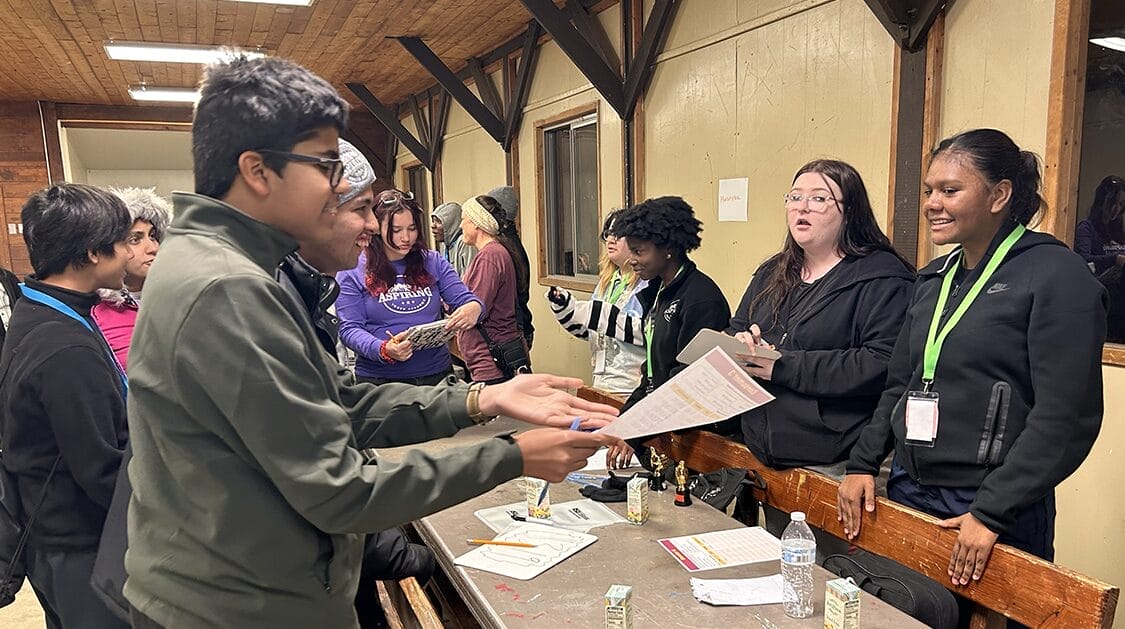
Based in Arizona and supported by ASU Edson E+I, the Aspiring Youth Academy’s Innovation Hub connects high school students with real-world entrepreneurs and mentors. Students participate in monthly events, explore their own ideas and even attend a hands-on entrepreneurship camp every March. Whether students are brand new to entrepreneurship or already running a side hustle, this program provides a supportive community and powerful tools for growth.
Invention Convention Arizona
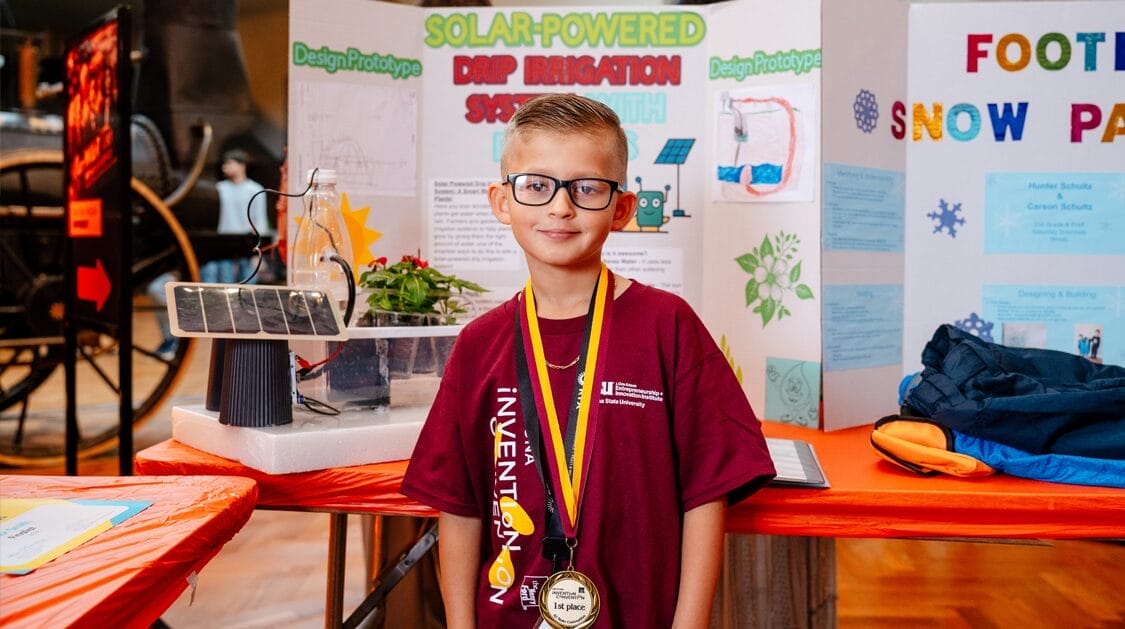
For students who love to tinker, solve problems or dream up new products, the Invention Convention is a perfect fit. Open to students in grades K–12, this program encourages youth to follow a formal invention process—identifying a problem, researching, designing, testing and pitching their solution. Finalists from Arizona even have the chance to compete at the national level.
Hattie B. Girls Empowerment Camp
Offered through the Hattie B. Black Women in Progress Foundation, this Arizona-based summer camp empowers middle and high school girls through entrepreneurship, leadership and life skills. The experience provides young women with the tools and confidence to dream big, think creatively and become change-makers in their communities.

Edson E+I Community Entrepreneurship Resources
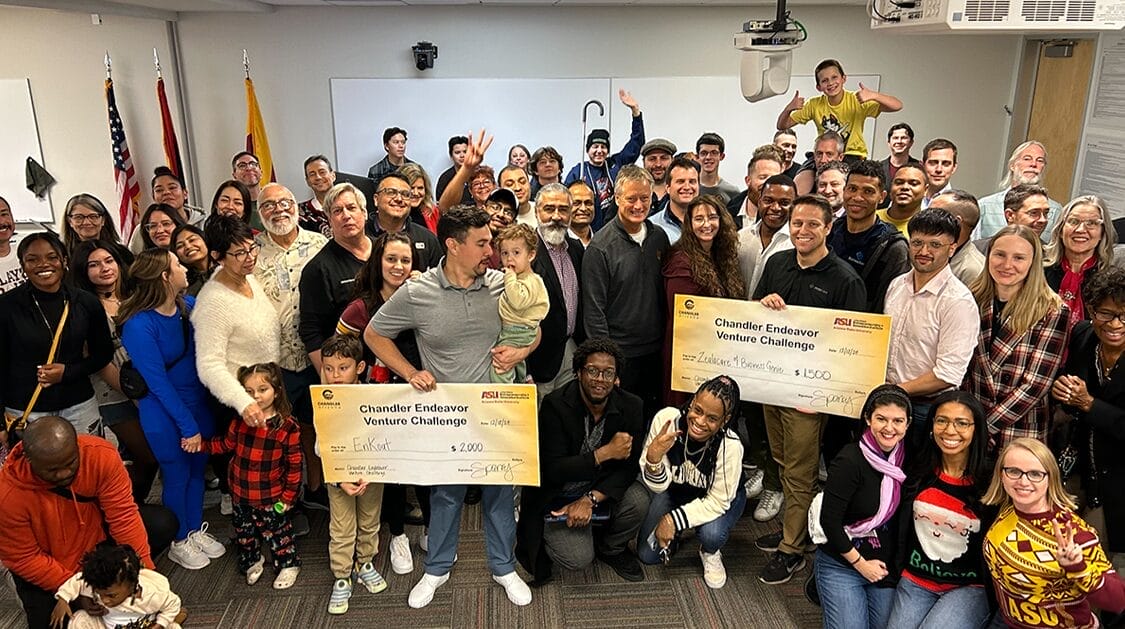
The ASU Edson Entrepreneurship + Innovation Institute offers a wide range of tools to support aspiring entrepreneurs of all ages. One standout opportunity for youth is the Chandler Endeavor Venture Innovation Incubator, a free program open to individuals regardless of age or location (you don’t even have to live in Chandler!). Participants receive mentorship, access to professional networks and support to develop and launch their ventures.
In addition, Edson E+I offers a growing collection of free, on-demand digital learning resources designed to help anyone—students, educators, or community members—take ideas from concept to reality. These curated tools are perfect for sparking inspiration, building entrepreneurial skills and supporting classroom or independent projects.
Whether you’re a parent backing your child’s business idea or an educator helping students bring innovations to life, Edson E+I provides tools and support to move ideas forward.
Other Great National Resources
If you’re looking for even more ways to support youth entrepreneurship, check out these organizations:
- NFTE (Network for Teaching Entrepreneurship): This organization offers national curriculum and competitions for middle and high school students.
- Junior Achievement: Junior Achievement provides financial literacy and entrepreneurship programs through schools and local partnerships.
- Children’s Entrepreneur Market: The Market hosts pop-up events that give young entrepreneurs the opportunity to sell their products and showcase their creativity in real-world settings. While no Arizona events are currently scheduled (it is summer, after all!), the organization frequently adds new locations. We encourage parents and educators to check back often or reach out to the Kids Markets team to find out when events might be coming to Arizona.
- Raising Men & Women Lawn Care Service: This national challenge encourages youth to serve their communities by offering free lawn care to the elderly, disabled, single parents and veterans. Participants commit to mowing 50 lawns for free—building discipline, empathy and purpose along the way. It’s a great example of entrepreneurship as service and community leadership.
The Role of Parents, Teachers and Communities
Young people don’t just need programs, they need champions. The guidance that parents, teachers and communities provide young entrepreneurs can make a significant difference in the life of a curious young person.
They need parents who encourage big questions and stay supportive when a business idea doesn’t work the first time. They need teachers who give space for creativity, experimentation and, even more importantly, failure. And they need communities that say, “Yes” when a student asks, “Can I try something new?”
By offering real-world connections, celebrating progress over perfection and creating safe spaces to take risks, we equip youth with the confidence to build, lead and thrive.
Let’s Build More Than Businesses
When we invest in young entrepreneurs, we’re not just growing future CEOs, we’re also building problem-solvers, change-makers and innovators who care about their communities.
So the next time you see a lemonade stand, smile. But also ask: What else might that young mind be capable of?
With the right support, the answer is: anything.


