When you’re pursuing a big idea, building a startup or launching a small business, it’s easy to assume the next step is finding funding. But in reality, many successful ventures don’t start with outside capital—they start with learning, validation and proof of concept. Following the principles of Lean Startup methodology, your first goal is to test assumptions, build a Minimum Viable Product (MVP) and gather real feedback from potential customers.
Early funding, when needed, often comes from bootstrapping, pitch competitions or small grants that reward progress and potential. Friends and family can be a source of early support too, but those arrangements require careful consideration. “Friends and family” can simply mean people in your personal network—those who believe in your vision and want to help however they can. Once you can prove your product solves a real problem and shows traction, investors like angels or early-stage VCs may be ready to help you scale.
The key lesson for early-stage founders is recognizing the difference between needing funding and choosing it strategically. Before applying for grants or pitching investors, clarify what you’re trying to achieve. If you’re still validating your idea, focus on learning, mentorship and campus or community resources. Funding should come when it accelerates proven progress, not replace the testing and discovery that build a strong foundation.
Once you do get to a stage where funding is needed, these are some of the most common options for early-stage and student entrepreneurs to start pursuing:
Bootstrapping
Bootstrapping means funding your startup with personal savings or early revenue. It’s one of the most common and often most practical way for founders to start.
- Pros: You retain full control and equity, so you can make decisions quickly without outside pressure and keep all the profits.
- Cons: Growth may be slower, and there can be personal financial risk since you are investing personal savings.
Crowdfunding
Crowdfunding is one of the most dynamic ways for students to both validate their ideas and raise small amounts of capital. It typically involves sharing your venture on an online platform, such as GoFundMe or Kickstarter, and collecting small contributions from a large number of supporters.
- Pros: This funding method builds community and validates your market. Crowdfunding can double as marketing and customer testing.
- Cons: it requires strong storytelling, a compelling campaign and a clear plan for delivering promised products or rewards.

Pitch Competitions
Pitch competitions are one of the best entry points for student and community entrepreneurs looking to secure early funding while gaining valuable experience. These events typically invite founders to present their idea to a panel of judges, who are often experienced entrepreneurs, investors or faculty, in exchange for the chance to win prize money, mentorship or other startup resources.
- Pros: Funding does not typically require giving up any equity. There are also competitions focused on different venture development levels so you can continue competing as you make progress.
- Cons: Funding is competitive, and awards generally go to those with the most polished pitches and best traction demonstrated for their level. The competitions also generally happen at set times each year.
Grants
Grants are another great option for student founders because, unlike loans or investments, you don’t have to pay them back or give up ownership in your company. Grants are usually offered by universities, government agencies or private foundations through posted application opportunities. There are also grants available to community founders, from corporate programs to traditional public-sector opportunities worth exploring. The goal of most grants is to support ideas that align with specific missions, industries or impact areas.
- Pros: Funding does not require giving up any equity, and being awarded can provide credibility and validation.
- Cons: Funding can be highly competitive and can take a considerable amount of time to apply. It also typically requires progress reports after receiving funds.
How to choose the right path for your idea
The right funding path is the one that gives you the freedom to build on your own terms, especially in the early stages, because every entrepreneur’s journey is unique. The key is to explore your options, get expert advice and choose the mix of funding methods that align with your vision.
At ASU, the J. Orin Edson Entrepreneurship + Innovation Institute has several different funding opportunities for students, faculty and founders in the community:
- Open Pitch for students: Open Pitch is a bi-annual event for any ASU or Maricopa Community College student to give a two-minute elevator pitch and compete for a crowd-favorite prize of $250 to put towards building their idea.
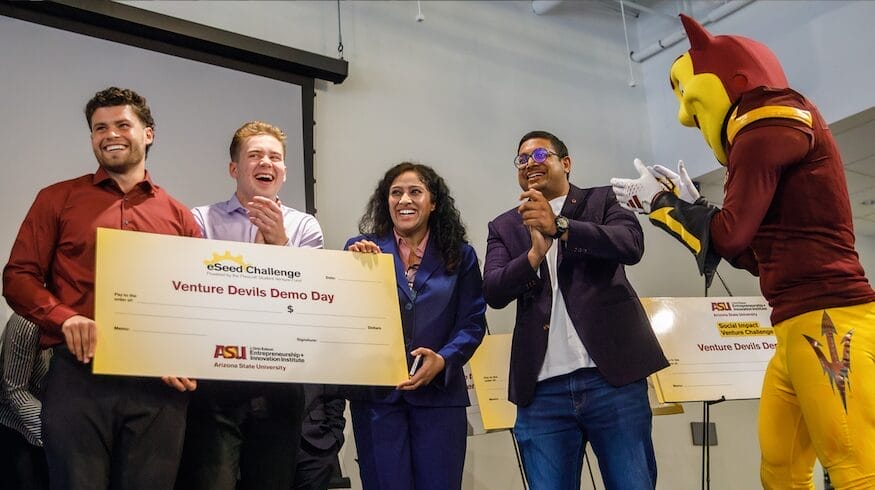
- Venture Devils Demo Day for students: The ASU Venture Devils program offers all ASU and Maricopa Community College students access to support and resources needed to develop their ideas. Through this program, students can participate in Demo Day, the bi-annual pitch competition where students pitch their ideas to judges and compete for thousands of dollars in funding and support.
- Creative Spark for students: Creative Spark is designed to help student creatives harness the power of entrepreneurship to make their ideas a reality and lay the foundation for a career in the creative arts. Creative Spark accepts project proposals for ASU and MCCCD students in creative fields to receive funding to integrate entrepreneurship into their creative projects.
- Chandler Endeavor for students, faculty and community founders: This incubator focuses on advancing the development of early-stage and growth-stage ventures by providing access to highly tailored support and resources and igniting innovation. It welcomes students, faculty and community, and includes two pitch competitions a year.
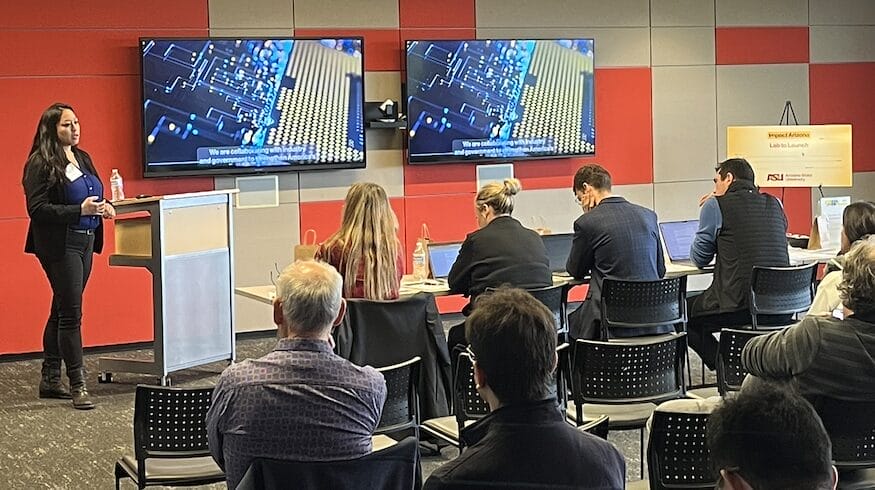
- Lab2Launch for ASU faculty: Prepare your venture for real funding and expert support at Lab2Launch, ASU’s flagship pitch and commercialization event tailored for faculty and researcher-led startups.
To learn more about funding your idea, check out this module on “What are my funding options?” where we deep dive into various funding types.
To get plugged into a supportive community of entrepreneurs and innovators, check out our events page. We’d love for you to join us at an upcoming Edson E+I event and explore all the resources available.


